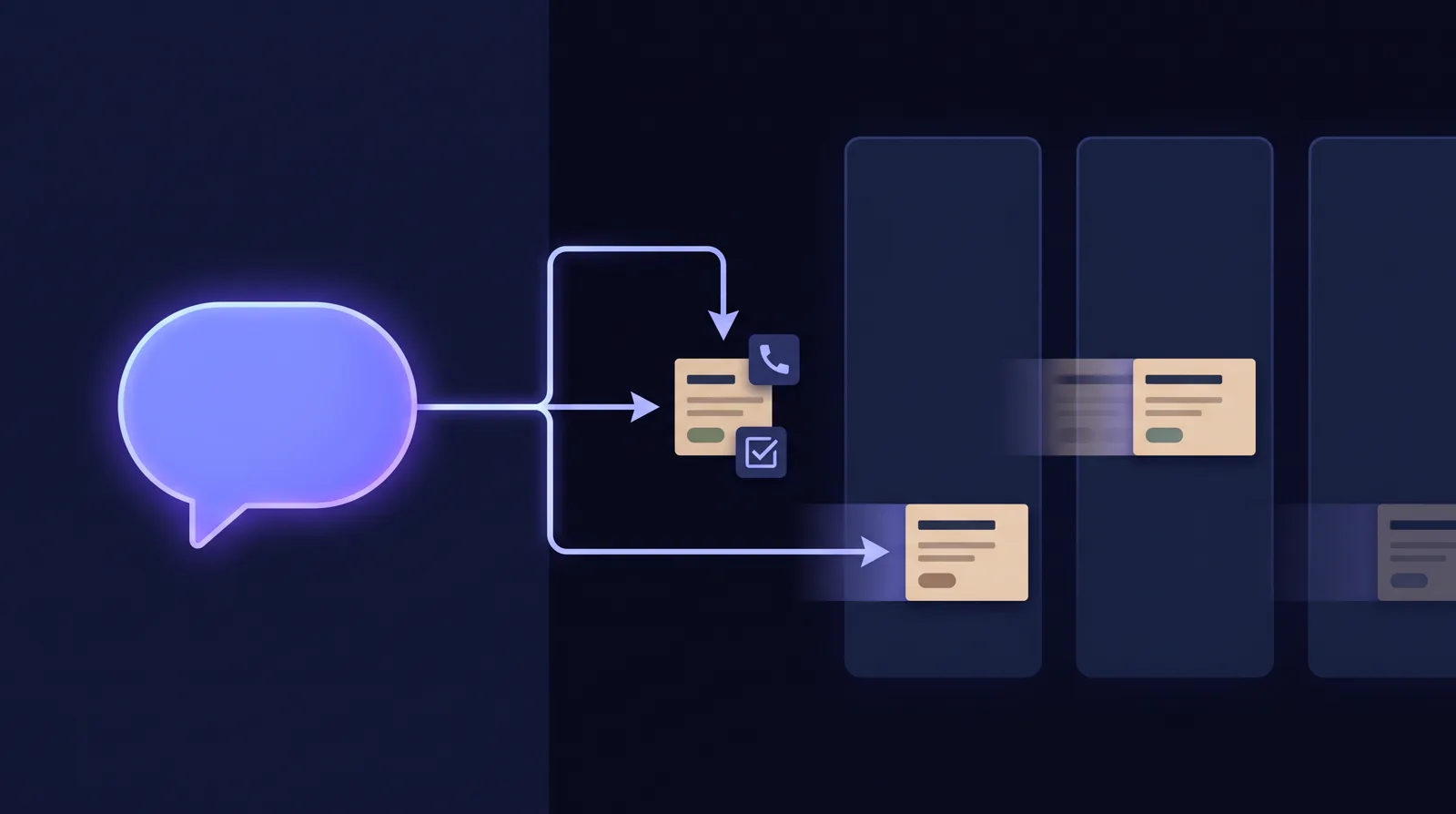

Clone Code and Claude Code are easy to mix up because they run on the same coding engine. Clone Code runs Claude Code under the hood. What separates them is where the work happens, who can do it and what comes back when it's finished. This 93-second video lays out those differences and says plainly which tool fits which person.
The video is for operators, founders and creators who have an idea for software but no terminal open and no wish to configure one. It is also for engineering leaders who need to explain to the rest of the company why a coding tool built for developers isn't the same as a building tool built for everyone else. As the presenter puts it, Clone Code takes out "everything between the idea and the result."
Key moments
- 0:00 Same engine, different experience: the presenter frames the comparison and promises to show which tool fits you.
- 0:10 Where each one runs: Claude Code runs in a developer's terminal or IDE on their own machine, while Clone Code packages the same technology in the cloud.
- 0:24 Nothing to set up: the coding skill is already attached to your clone, so you open Chat on web, mobile or voice and describe what you want.
- 0:38 How a build runs: each task gets its own isolated cloud sandbox, then plans, builds and tests before it reports back with a live preview link and a ZIP download.
- 0:54 Context and billing: your clone writes the brief from your whole conversation, so it knows your requirements, tone and branding, and the work is billed on your existing Clone plan.
- 1:04 Who each tool is for: Claude Code is built for professional engineers working in large codebases, and Clone Code brings that level of building to everyone else.
- 1:16 Recap: one clone, one bill and Claude Code-class building for anyone with an idea, with a pointer to start free at clone.org.
If you can explain it, you can build it.Presenter
Takeaways
- The engine matters less than the setup around it. Claude Code and Clone Code share the same coding engine. Claude Code lives on the developer's machine, while Clone Code runs in isolated cloud sandboxes, so a build never touches your laptop.
- You start a build by describing it. Clone Code needs no local install or configuration. You describe what you want in text or by voice from web or mobile, and the build begins.
- You get a finished result. Each task plans, builds and tests on its own, then returns a live preview link and a downloadable ZIP in chat. The presenter calls it "fire and forget."
- Context comes with your clone. Your clone already knows your conversation, so the brief it writes reflects your requirements, tone and branding. You don't have to write a spec from scratch.
- The video is clear about who each tool is for. Clone Code is not pitched as a replacement for engineers who work in large codebases every day. Its aim is to give everyone else the same kind of building power inside the product they already use, on one bill.
The last point is the reason to watch. AI coding tools tend to be judged by their models, but most people who want software are held back by setup, not by model quality. They don't have the environment, the configuration or the vocabulary. Clone Code removes those steps, and the video shows each one being removed in under 2 minutes.