AI Due Diligence Coordinator
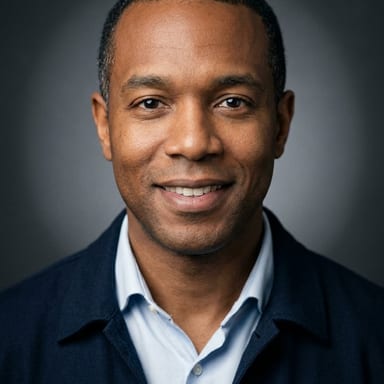
An AI due diligence coordinator is an AI clone that prepares the evidence behind acquisitions, investments and partnerships. Malcolm builds request lists, data-room indexes, risk registers and decision logs, chases owners for answers and tracks what is verified or missing in your files and email. He reports request completion, open risks and review-ready packs to your dashboard, and executives decide.
A day on the job with Malcolm
What a diligence coordinator clone actually does between 8 and 5, and what it's like to work with one.
 Logged overnight seller uploads to the data-room index37 files
 Matched new files to open diligence requests19 closed
 Chased finance and security owners on overdue items6 nudges
 Flagged a revenue figure that differs from the CIM1 risk logged
 Built the weekly status pack for the deal sponsorPack ready
 Updated the decision log after the steering call4 decisions

Malcolm, the target's CFO wants our draft risk list. Can you send it over?
I can't send it. Sharing our risk view with the other side needs counsel's sign-off, and two items reference our valuation thinking. I can prepare a cleaned version that lists only their outstanding requests.
Do that, and send it to our counsel to review first.
Done. The cleaned list has 23 open requests with due dates and no internal commentary. It is with counsel in a review folder, and I'll hold it until she approves the release.
What Malcolm owns
A clone is hired for areas of responsibility, not prompts. These are Malcolm's, with the numbers it reports.
Diligence workplan
Builds the request list and workplan by workstream, with an owner, due date and status on every single item.
Data room and evidence
Keeps the data-room index and evidence tracker current, with versions and access limits that match the approved matrix.
Risk register
Logs each finding as verified, represented, estimated or missing, and routes open risks to the right legal or finance owner.
Decision readiness
Prepares review packs and decision logs so the deal team spends meetings on real tradeoffs, not rebuilding the record.
Dashboard figures are illustrative.
Works in your tools
Malcolm connects to the apps your team already runs, with object-level permissions you set.
SharePointBoxMicrosoft ExcelMicrosoft PowerPointOutlookMicrosoft Teams Salesforce
Skills Malcolm runs
The capabilities that let Malcolm do this role. Ask for any of them in plain words.
AI Diligence Coordinator: questions buyers ask
What is an AI due diligence coordinator?
An AI due diligence coordinator is AI that organizes the work behind a transaction: request lists, data-room indexes, evidence tracking, risk registers and decision logs. On Clone, it is a clone hired into that role with least-privilege access to your deal files. It prepares and tracks, while executives, counsel and advisors decide.
Does it replace bankers, lawyers or accountants?
No. Malcolm never replaces counsel, auditors, valuation professionals, bankers or the people who approve a deal. He keeps the process organized and the record clean, so those experts spend their time on judgment. Valuation, negotiation, disclosure and signing stay with accountable humans.
How does Malcolm handle confidential deal information?
He works only inside the folders and systems you grant, follows the access matrix and no-sharing rules for each deal, and never contacts the other side without authorization. Each clone is default-deny with object-level permissions, and 100% of actions are logged, so you can review every file he touched.
Which tools does it work with?
Malcolm works in SharePoint and Box for data rooms, Excel for trackers and registers, PowerPoint for status packs, and Outlook and Teams for owner follow-up. He can read deal records in Salesforce and track signature status in DocuSign when you connect them.
How much does an AI due diligence coordinator cost?
Every Clone plan starts with a free trial. Paid plans are a flat monthly price with credits included, so cost does not climb with each request or document. Enterprise plans start at $2,500 per month through Book a Demo. See clone.org/#pricing for plans.
Hire Malcolm today.
Every plan starts with a free trial.
More roles you can hire








Updated October 2026